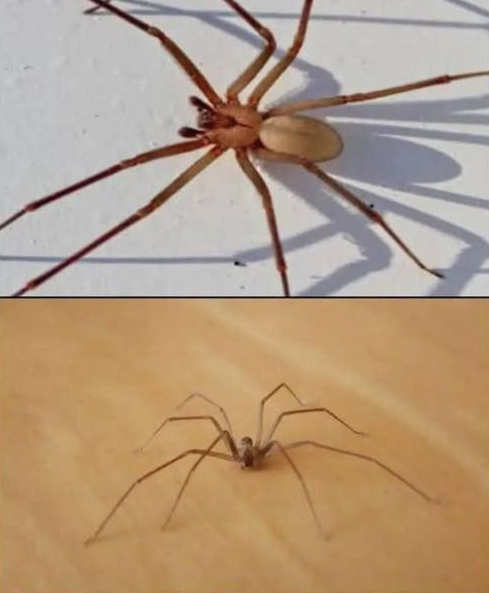
It’s small. It’s quiet. And it doesn’t go looking for trouble. But one bite from the brown recluse spider can turn your day—or even your health—upside down.
Known for its reclusive nature and potent venom, this spider doesn’t actively seek out human contact, yet it’s among the most dangerous spiders in North America. Understanding how to identify, avoid, and respond to encounters with the brown recluse can protect you and your family from serious harm.
Meet the Brown Recluse
Often called the “violin spider” due to the violin-shaped marking on its back, the brown recluse is a master of stealth and camouflage. Its body is typically light brown and velvety, measuring between 8 millimeters and 1.5 centimeters—roughly the size of a dime.
Unlike most spiders, which have eight eyes, the brown recluse has six, arranged in three pairs. This distinctive feature helps arachnologists and pest control experts identify it more easily.
Despite its frightening reputation, the brown recluse is not aggressive. It bites only when disturbed, often by accident.
Where You’ll Find It
True to its name, the brown recluse prefers solitude. It hides in dark, undisturbed places where it can go unnoticed for long periods. Common hiding spots include:
- Closets
- Basements
- Attics
- Behind or under furniture
- Inside cardboard boxes and storage bins
- Behind wall outlets
- In shoes, clothing, or towels left untouched
Most bites occur when someone reaches into a storage area or puts on clothing or shoes without realizing a spider is inside.
Why the Bite Is Dangerous
The real threat comes from the necrotic venom in a brown recluse’s bite. This venom destroys soft tissue, and the bite can quickly escalate from a mild irritation to a serious wound.
Common Symptoms Include:
- Mild stinging or burning at the bite site
- Redness, swelling, and tenderness
- Formation of a blister, followed by a deep, ulcerating sore
- Fever, chills, nausea, or fatigue
- Muscle or joint pain
In rare but severe cases, particularly for young children, older adults, or individuals with weakened immune systems, systemic reactions can occur and require immediate medical attention.
What to Do If Bitten
If you suspect a brown recluse bite, act quickly:
- Wash the area with soap and water to reduce infection risk.
- Apply a cold compress to control swelling.
- Elevate the limb (if bitten on the arm or leg).
- Seek medical attention immediately, especially if the bite starts to blister, ulcerate, or if flu-like symptoms develop.
Do not attempt home remedies or delay treatment. Early intervention can prevent serious complications.
How to Prevent an Encounter
While brown recluse spiders are most commonly found in the Midwestern and south-central United States, they can be transported in boxes, luggage, or furniture to other regions.
Prevention Tips:
- Keep garages, basements, and closets clean and clutter-free.
- Shake out shoes, towels, or clothing that have been stored.
- Avoid leaving clothes or shoes on the floor.
- Store items in sealed plastic containers instead of cardboard boxes.
- Seal cracks and gaps in baseboards, window frames, and doors.
- Wear gloves when cleaning dark, dusty spaces.
Respect the Recluse
Despite its intimidating potential, the brown recluse spider does not want to interact with humans. But if disturbed, it will defend itself—and the consequences can be painful and long-lasting.
The best way to stay safe is through awareness and prevention. Know what to look for, take steps to spider-proof your home, and never ignore a suspicious bite.
Stay alert. Stay informed. And give this quiet predator the space it deserves.