Food waste is a global issue. Millions of tons of edible food are discarded every year—often simply because it wasn’t stored properly. Fortunately, with just a few smart habits, you can extend the shelf life of your groceries, preserve nutritional value, and reduce how much food (and money) you throw away.
Proper food storage isn’t just about freshness—it’s about safety, sustainability, and savings. Here’s how to do it right.
Why Proper Food Storage Matters
Correct food storage helps:
- Prevent spoilage and foodborne illnesses
- Preserve nutrients and taste
- Reduce waste and save money
- Keep your kitchen organized and efficient
Improper storage can lead to bacterial growth, early spoilage, loss of texture or flavor, and even health risks. By understanding how and where to store your food, you can keep your kitchen stocked with safe, delicious ingredients for longer.
General Tips for All Food Categories
1. Transport Groceries Safely
Bring insulated bags or coolers when shopping, especially for perishable items like meat, dairy, and frozen goods. Heat and sunlight can quickly start the spoilage process.
2. Use the Right Containers
Choose airtight containers made from glass, stainless steel, or BPA-free plastic. These help prevent moisture loss, contamination, and air exposure—all of which speed up food spoilage.
3. Replace Wrapping Materials
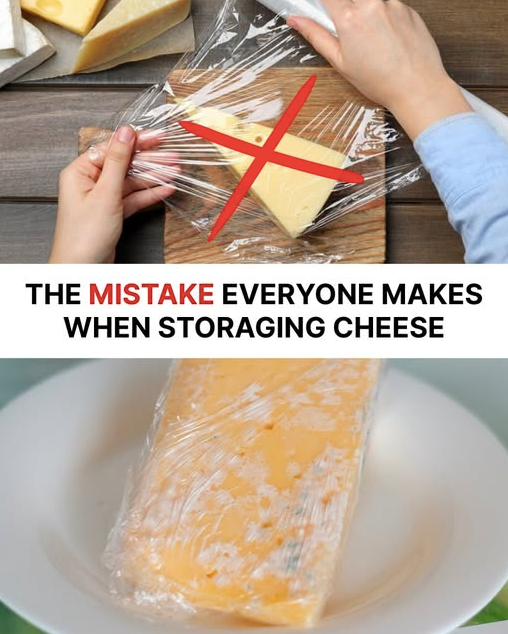
Paper or plastic wraps used on meats, cheeses, or bakery items should be changed regularly. Moisture buildup can encourage mold and bacteria.
4. Organize by Expiry Date
Apply the “first in, first out” rule. Place newer groceries at the back and older ones at the front so they’re used first.
5. Understand Your Refrigerator Zones
Different parts of the fridge have different temperatures:
- Top shelf: Best for drinks and ready-to-eat foods
- Middle shelves: Ideal for dairy and leftovers
- Bottom shelf: Store raw meat and fish here (coldest area)
- Crisper drawers: Use for produce, separating fruits and vegetables as needed
Storage Tips by Food Type
1. Pantry-Stable Foods
Dry goods last longer with proper care.
- Keep airtight: Store flour, rice, sugar, and pasta in sealed containers to prevent moisture and bugs.
- Cool, dark location: Avoid placing pantry items near heat sources like ovens or windows.
- Label and date: Especially for bulk items or homemade mixes.
2. Perishable Foods
Perishables spoil fast without proper storage.
- Dairy: Store at the back of the fridge. Wrap cheese in parchment or wax paper before placing in a container.
- Meat & seafood: Store raw meat on the bottom shelf. For longer storage, freeze in vacuum-sealed or freezer-safe bags.
- Eggs: Keep in their original carton on a fridge shelf, not the door (which fluctuates in temperature).
3. Fresh Fruits and Vegetables
Produce storage depends on moisture, gas release, and ripeness.
- Leafy greens: Rinse, dry well, and store in a container lined with paper towels to absorb moisture.
- Berries: Keep dry. Don’t wash until ready to eat. Store in breathable containers.
- Apples: Release ethylene gas—store them separately in the fridge to avoid spoiling nearby produce.
- Potatoes & onions: Keep in a dark, cool, dry place. Store separately to prevent premature sprouting.
- Carrots: Remove tops and store in a sealed jar of water in the fridge to keep crisp.
4. Frozen Foods
Freezing extends shelf life dramatically but requires care.
- Use freezer-safe bags or containers. Squeeze out air to prevent freezer burn.
- Portion in advance. Divide soups, sauces, or raw meat into single-use sizes for easy defrosting.
- Label everything. Always date your frozen items.
Bonus Tricks to Make Food Last Longer
Revive Wilting Veggies
Soak limp lettuce, herbs, or celery in ice water for 10–15 minutes to rehydrate and crisp them up.
Banana Stem Wrap
Wrap banana stems in plastic or foil to slow ethylene release and keep them from ripening too quickly.
Herb Care
Trim herb stems and store in a glass of water (like flowers). Cover loosely with a plastic bag and refrigerate for longer shelf life.
Citrus Storage
Store lemons, oranges, and limes in the fridge to keep them firm and juicy longer.
Tomatoes
Never refrigerate ripe tomatoes. Cold temperatures damage their texture and flavor. Store at room temperature, stem-side down to prevent moisture loss.
The Bottom Line
Correct food storage is a simple, impactful way to improve your daily routine. It helps you:
- Waste less
- Save money
- Protect your health
- Enjoy tastier, fresher meals
By understanding the unique needs of each type of food—from delicate berries to robust pantry staples—you can turn your fridge, freezer, and pantry into efficient systems that support a healthier, more sustainable lifestyle.
Next time you unpack your groceries, think strategically—and your food (and wallet) will thank you.