Eggshells are often tossed out without a second thought, but they’re actually packed with calcium and other minerals that can benefit both your body and your garden. Using them wisely reduces waste and supports a more sustainable lifestyle. Here’s how you can make the most of eggshells in your daily routine.
Health Benefits: Eggshells as a Natural Calcium Supplement
Calcium is vital for strong bones, teeth, muscle function, and nerve signaling. Many people don’t get enough calcium daily, but eggshells offer a natural, bioavailable source.
How to Prepare Eggshell Powder Safely:
- First, rinse your eggshells well to remove any leftover egg white or yolk.
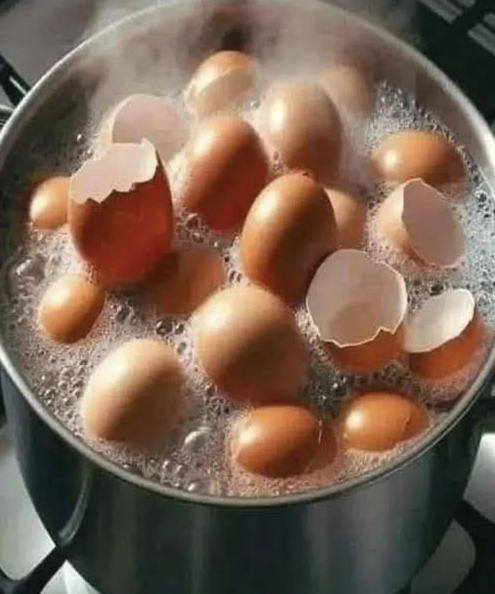
- Boil the shells in water for about 5 minutes to disinfect and kill bacteria.
- Dry them thoroughly by air-drying in the sun or baking at a low temperature (around 200°F or 95°C) for 10-15 minutes.
- Once dry, grind the shells into a very fine powder using a coffee grinder, spice mill, or mortar and pestle. The finer the powder, the better your body can absorb it.
How to Use Eggshell Powder:
- Start by adding about half a teaspoon of the powder into smoothies, juices, soups, or even baked goods.
- A teaspoon of powdered eggshell contains roughly 800 to 1,000 mg of calcium, close to the daily recommended intake.
- Store the powder in an airtight container in a cool, dry place.
Besides calcium, eggshells also contain minerals like magnesium, phosphorus, and zinc, which support overall health. Just make sure to consult your doctor before starting any new supplement routine, especially if you have medical conditions.
Gardening Benefits: Using Eggshells to Nourish Your Plants and Keep Pests Away
Eggshells are fantastic for your garden because they add essential calcium to the soil, which helps plants build strong cell walls and prevents issues like blossom end rot (common in tomatoes and peppers).
Using Eggshells as Fertilizer:
- Crush your shells into small pieces or grind them into powder and sprinkle around the base of your plants or mix directly into the soil. This boosts calcium levels and improves soil quality.
Natural Pest Deterrent:
- Crushed eggshells’ sharp edges act as a barrier against slugs and snails. Scatter the crushed shells in a circle around vulnerable plants to protect them without using harmful chemicals. Replace after watering or rain since moisture can soften the shells.
Compost Booster:
- Adding crushed eggshells to your compost pile enriches it with calcium and minerals, helping your compost break down more efficiently.
Seed Starters:
- Use cleaned, halved eggshells as mini biodegradable pots. Fill them with soil, plant your seeds, and place them in an egg carton for support. When seedlings are ready to transplant, plant the whole shell directly in the soil — it will decompose and feed the plants naturally.
Additional Creative Uses for Eggshells
- Cleaning Aid: Mix crushed eggshells with soap to scrub stubborn grime on pots and pans without scratching.
- Drain Cleaner: Toss some crushed shells down your kitchen sink to help scrub pipes and reduce buildup.
- Bird Feed: Mix finely crushed eggshells with birdseed to provide wild birds with extra calcium.
Safety Tips and Precautions
- Always clean and boil eggshells to avoid contamination from bacteria like Salmonella.
- If you plan to consume eggshell powder as a supplement, start slowly and consult your healthcare provider, especially if you have health concerns or take medications affecting calcium.
- Avoid giving eggshell powder to young children without medical advice.
Sustainability Benefits
Reusing eggshells reduces kitchen waste and landfill volume, helping cut down on greenhouse gas emissions. Using this simple practice supports a more circular, eco-friendly lifestyle—turning what would be trash into a valuable resource for your health and garden.
Next time you crack an egg, save those shells! With just a little effort, you can make them work wonders for your body, your plants, and the planet.