Introduction
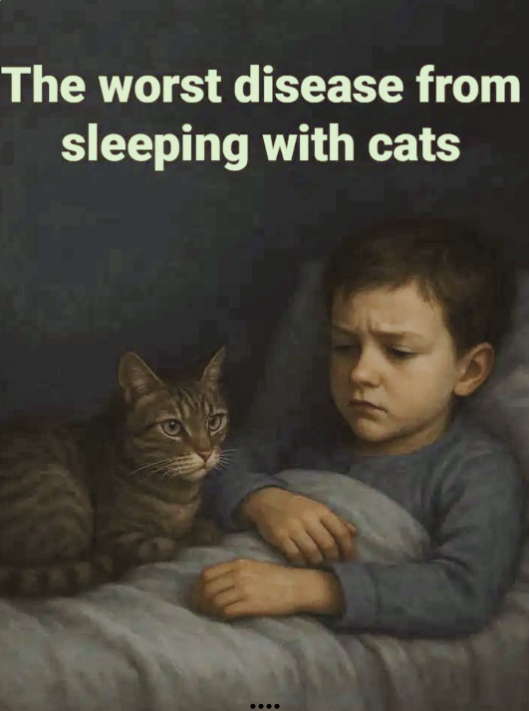
Sharing your bed with a beloved cat can feel comforting and cozy—there’s nothing quite like having a warm, purring companion nearby as you drift off to sleep. However, this seemingly harmless habit may expose you to a lesser-known but potentially serious health risk: toxoplasmosis. Caused by a parasite commonly found in cats, toxoplasmosis can have severe consequences for certain groups of people, including pregnant women, infants, and those with compromised immune systems.
This article explains what toxoplasmosis is, how sleeping with your cat might increase your chances of contracting it, the symptoms to watch for, and most importantly, how to protect yourself and your family without giving up the joy of feline companionship.
What Is Toxoplasmosis?
Toxoplasmosis is an infection caused by the microscopic parasite Toxoplasma gondii. Cats are the primary hosts for this parasite, meaning it can live and reproduce in their digestive tracts. Infected cats shed parasite eggs—called oocysts—in their feces. These oocysts can survive in the environment for months, contaminating soil, water, and household surfaces.
Most healthy people infected with toxoplasmosis experience mild or no symptoms at all. But for pregnant women, the infection can cross the placenta and cause miscarriage, stillbirth, or serious developmental problems in the baby, such as vision or hearing loss and intellectual disabilities. For infants born with congenital toxoplasmosis, lifelong complications may arise. People with weakened immune systems, such as those undergoing chemotherapy or living with HIV/AIDS, risk severe illness including brain inflammation and organ damage.
How Sleeping with Your Cat Increases Your Risk
While cuddling your cat won’t directly transmit toxoplasmosis, this close contact can increase your exposure to the parasite in several ways:
- Litter Box Contamination: The parasite oocysts are shed in cat feces and can remain infectious for days. If your cat’s litter box is near your bedroom or if you touch contaminated surfaces and then touch your face or mouth, you can accidentally ingest the parasite.
- Environmental Spread: Oocysts can stick to your cat’s fur or be carried on their paws, spreading to bedding, furniture, or carpets.
- Direct Contact: Kissing your cat on the mouth or letting it lick your face can transfer bacteria and parasites more easily.
- Poor Hand Hygiene: Failing to wash hands thoroughly after cleaning the litter box or petting your cat increases the chance of infection.
Recognizing the Symptoms
In healthy adults, toxoplasmosis often causes mild flu-like symptoms or none at all. When symptoms occur, they may include:
- Fatigue
- Muscle aches and pains
- Headache
- Fever
- Swollen lymph nodes
However, in pregnant women, infants, or immunocompromised individuals, symptoms can be far more serious and require urgent medical attention. If you fall into one of these groups and suspect exposure, consult a healthcare provider promptly.
How to Protect Yourself Without Giving Up Your Cat
You don’t need to stop sleeping with or loving your cat, but taking precautions is key:
- Litter Box Hygiene:
- Clean the litter box daily wearing disposable gloves and wash hands afterward.
- If possible, have someone else in the household handle this task, especially during pregnancy.
- Use a mask if you’re worried about inhaling dust or particles.
- Keep Cats Indoors:
- Indoor cats are less likely to hunt infected prey and become carriers.
- Practice Good Hand Hygiene:
- Always wash hands with soap and water after touching your cat, litter box, or soil.
- Avoid touching your face or mouth after petting your cat until you’ve washed your hands.
- Avoid Face Kissing and Licking:
- Don’t allow your cat to lick your face or kiss them on the mouth to reduce risk.
- Cook Meat Thoroughly:
- Since toxoplasmosis can also be transmitted by eating undercooked meat, always cook meat to safe temperatures.
- Regular Vet Checkups:
- Routine vet visits help keep your cat healthy and parasite-free.
Final Thoughts
Toxoplasmosis is a stealthy disease that many people don’t know about until it causes a problem. While your cat brings joy and companionship, understanding the risks and practicing good hygiene and safety can protect you and your loved ones. With these precautions, you can continue enjoying the warmth and comfort of sleeping with your feline friend while minimizing the risk of infection.
Remember, responsible pet ownership means loving your cat and being mindful of health risks—so keep those cuddles safe and sweet!