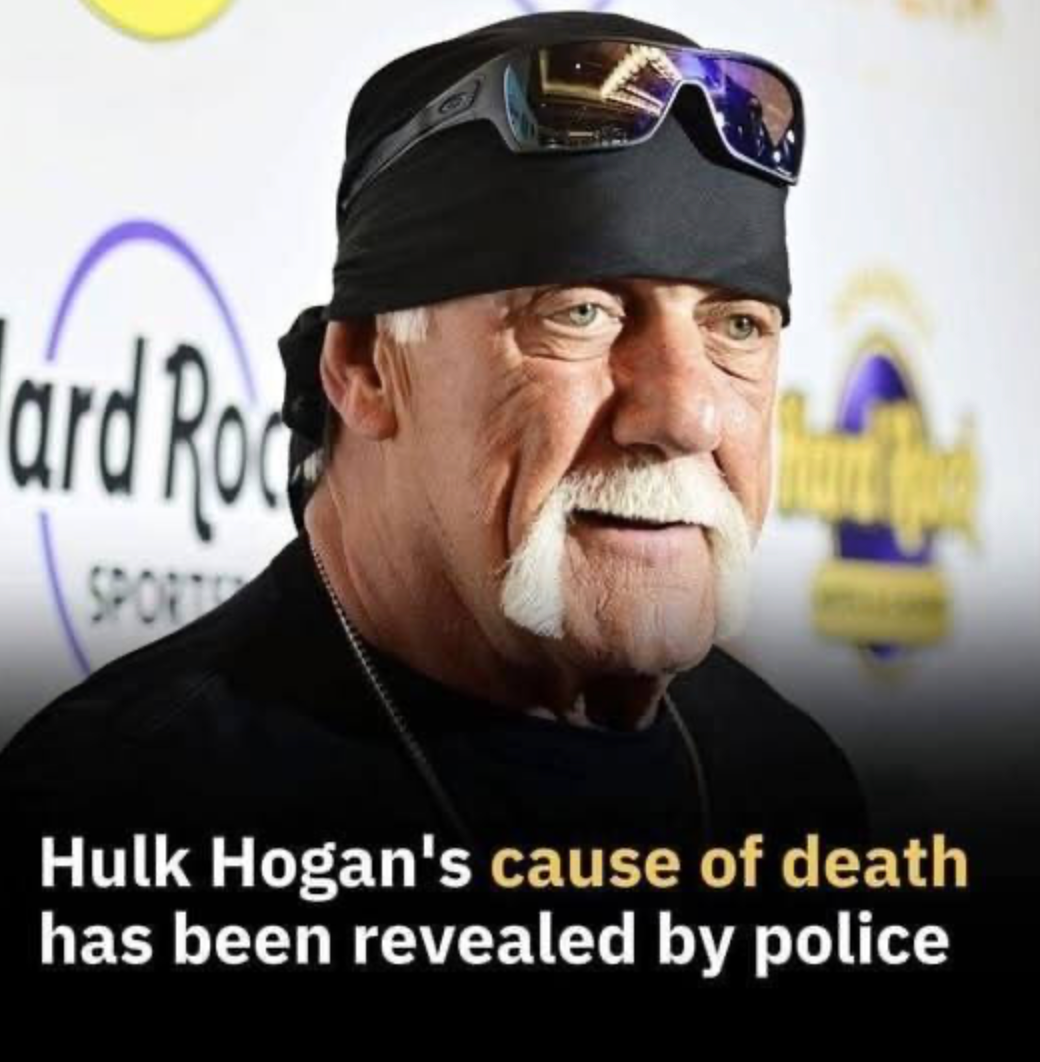
The sports entertainment industry and fans worldwide are mourning the passing of one of the most iconic and influential figures in professional wrestling history. Terry Eugene Bollea, better known to millions as Hulk Hogan, died at the age of 71 after suffering a cardiac arrest at his home in Clearwater, Florida. Despite the heroic efforts of emergency responders and medical staff, Hogan was pronounced dead shortly after arriving at the hospital, marking the end of an era for a man whose impact on the wrestling world transcended the squared circle.
A Larger-than-Life Personality That Changed Wrestling Forever
Hulk Hogan was more than just a wrestler; he was a cultural phenomenon whose name became synonymous with the golden age of professional wrestling. From the moment he first stepped into the ring, Hogan’s presence was unmistakable. His towering physique, iconic handlebar mustache, and instantly recognizable red and yellow attire made him stand out in an era crowded with athletic talent. But it was his charisma, energy, and showmanship that truly set him apart.
In the 1980s, professional wrestling was largely a niche entertainment form, beloved by dedicated fans but still on the fringes of mainstream popularity. Hogan’s arrival coincided with a dramatic shift, as the World Wrestling Federation (now WWE) transformed wrestling into a prime-time spectacle. Hogan’s catchphrases — “Whatcha gonna do when Hulkamania runs wild on you?” and “Say your prayers and eat your vitamins!” — became rallying cries for fans young and old, creating a bond that transcended generations.
His signature moves, including the leg drop finishing maneuver, became legendary, and his battles against wrestling greats such as Andre the Giant, Randy “Macho Man” Savage, and “Rowdy” Roddy Piper became some of the most watched and talked-about events in sports entertainment history.
The Rise of Hulkamania: From Small-Town Beginnings to Global Stardom
Born in Augusta, Georgia, in 1953, Terry Bollea’s journey to wrestling stardom was anything but ordinary. Starting out as a musician and aspiring entertainer, Bollea’s life changed dramatically when he entered professional wrestling in the mid-1970s. Wrestling under various names, he eventually adopted the Hulk Hogan persona, a character that embodied strength, heroism, and a never-give-up attitude.
Throughout the 1980s and early 1990s, Hogan became the face of the WWF, headlining multiple WrestleMania events and helping the organization reach unprecedented heights. His ability to connect with audiences wasn’t just about athleticism—it was storytelling. Hogan’s “good guy” persona, often battling villainous “heels,” captivated fans and helped craft wrestling’s enduring narrative style.
Hogan’s Influence Beyond the Ring
Hulk Hogan’s impact went far beyond wrestling. He was a household name, crossing over into television, movies, and advertising. From starring roles in films like Rocky III and Mr. Nanny to his own reality TV show Hogan Knows Best, Hogan’s personality and fame resonated with a broad audience. He became one of the first wrestlers to truly bridge the gap between sports and mainstream entertainment, paving the way for future generations of wrestlers to become crossover stars.
His influence is also felt in the wrestling industry’s business side. Hogan’s global popularity helped the WWF secure lucrative television deals, sponsorships, and pay-per-view events that changed the financial landscape of professional wrestling forever.
Personal Triumphs and Challenges
Behind the larger-than-life persona, Hogan faced personal challenges that humanized him to fans and critics alike. His struggles with injuries, legal battles, and public controversies revealed a man wrestling with life outside the ring. Despite setbacks, Hogan’s resilience was unwavering, and he remained a beloved figure among many wrestling fans, often making appearances at events and conventions, sharing stories and inspiring new talent.
Tributes Pour In From Around the World
Following news of Hogan’s passing, tributes have poured in from across the wrestling world and beyond. Fellow wrestlers, entertainers, and fans took to social media to celebrate his legacy, sharing memories of his matches, his kindness backstage, and his influence on their lives.
WWE released an official statement honoring Hogan’s contributions to the sport and his role in shaping the modern wrestling landscape, calling him “a true pioneer and legend whose impact will be felt for generations.”
The End of an Era
Hulk Hogan’s death marks the closing chapter of a story that shaped not only the world of professional wrestling but also the lives of millions who cheered for him. His legacy is one of passion, perseverance, and showmanship—a reminder that sometimes heroes come not from fantasy or fiction, but from the real world, inspiring us to be larger than life.
As the wrestling community and fans worldwide remember Terry Eugene Bollea, they also celebrate the spirit of Hulkamania, a movement that brought joy, excitement, and unity through the power of sports entertainment.