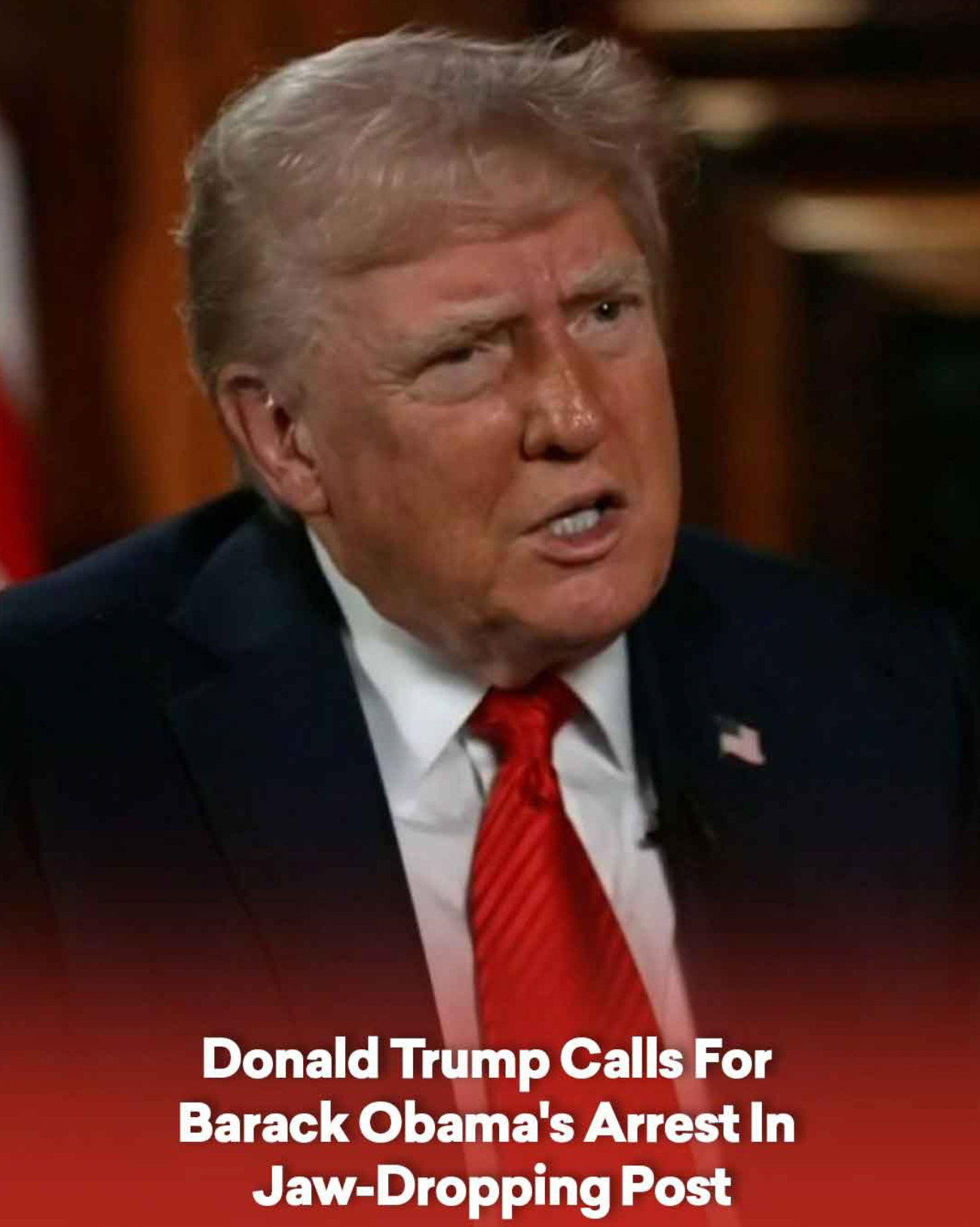
Former President Donald Trump has once again thrust himself into the national spotlight by commenting on a newly declassified report that examines the origins and handling of the 2016 election investigation. The report, authored by former Congresswoman Tulsi Gabbard, who also served as the Director of National Intelligence, has stirred considerable discussion and debate across political and media landscapes.
Background: The 2016 Election Investigation and Its Lingering Controversies
The investigation into alleged foreign interference in the 2016 United States presidential election has been one of the most contentious and closely scrutinized political episodes in recent American history. Launched initially amid concerns that Russia had sought to influence the electoral outcome, the inquiry expanded into a sprawling investigation that dominated headlines for years.
At the center of much public debate has been the question of how intelligence was gathered, interpreted, and acted upon by officials in the final years of the Obama administration and the early months of the Trump presidency. Critics have argued that intelligence was sometimes politicized, leading to unjustified scrutiny of political figures, while others maintain that the investigations were necessary to protect national security and electoral integrity.
Tulsi Gabbard’s Report: An In-Depth Examination
Into this complex and polarizing debate steps Tulsi Gabbard, a former Democratic Congresswoman from Hawaii and a 2020 presidential candidate, who later served as Director of National Intelligence in a bipartisan capacity. Her 114-page report, now declassified and publicly released, offers a detailed examination of how intelligence related to foreign interference was handled during the late Obama administration.
The document scrutinizes internal communications, intelligence assessments, and decision-making processes, revealing that some officials expressed skepticism about the extent and directness of foreign actors’ involvement in the 2016 election. Gabbard’s report highlights instances where intelligence was described as disputed or inconclusive, yet certain investigative pathways were pursued vigorously.
In particular, the report raises concerns about whether the continued reliance on such contested intelligence compromised democratic principles, potentially undermining public trust in the electoral system and government institutions.
Donald Trump’s Response: A Renewed Focus on Alleged Political Bias
Donald Trump, who has consistently maintained that the investigations into his campaign were politically motivated “witch hunts,” seized upon Gabbard’s report as vindication of his long-standing claims. In a series of statements following the report’s release, Trump characterized the findings as confirmation that intelligence agencies and Obama-era officials acted with bias and overreach.
Trump’s comments emphasize that the report reveals a pattern of misconduct, suggesting that the surveillance and investigations were driven more by political objectives than by legitimate national security concerns. He reiterated calls for accountability, demanding that those responsible for what he terms the “unfair and illegal” targeting of his campaign face consequences.
The Broader Implications: Political and Public Reactions
The release of the report has triggered a wave of reactions from political leaders, legal experts, and media commentators. Supporters of Gabbard praise the document for bringing transparency to a murky chapter in recent history, while critics argue that the report selectively interprets intelligence and overlooks the broader context of genuine foreign threats.
Some analysts point out that the skepticism within intelligence circles, as outlined in the report, reflects the inherent challenges of assessing complex espionage and interference operations, where definitive proof is often elusive. Others warn that the politicization of intelligence risks eroding public confidence in national security institutions, with lasting damage to democratic governance.
Historical Context: The Intersection of Intelligence and Politics
The controversy over the 2016 election investigation is part of a long-standing tension in American political history: the relationship between intelligence agencies and elected officials. Intelligence gathering is by nature opaque and complex, involving classified information that often resists clear conclusions.
Gabbard’s report shines a light on this tension, illustrating how intelligence assessments can become intertwined with political considerations, particularly during high-stakes electoral contests. The report’s findings serve as a reminder of the delicate balance needed between protecting the nation and preserving democratic norms.
What Comes Next: Calls for Reform and Further Investigations
Following the report’s release and Trump’s vocal response, lawmakers on both sides of the aisle have called for renewed oversight of intelligence practices. Proposals include stronger safeguards against political interference in intelligence work, improved transparency in how election-related intelligence is handled, and clearer guidelines for when and how investigations are initiated.
Legal experts are also watching closely for any potential moves toward reopening inquiries or holding officials accountable based on the report’s findings. However, given the politically charged environment, any further investigations are likely to face significant hurdles.
Conclusion: A Report That Reignites Debate Over 2016 and Beyond
Tulsi Gabbard’s comprehensive report on the origins of the 2016 election investigation, coupled with Donald Trump’s pointed response, has reignited a deeply divisive national conversation. It underscores ongoing questions about the role of intelligence in democracy, the limits of political accountability, and the enduring scars left by one of the most turbulent electoral cycles in modern American history.
As the nation digests the implications of the report, it remains clear that the debate over the 2016 election—and how intelligence was used or misused—will continue to shape political discourse for years to come.